
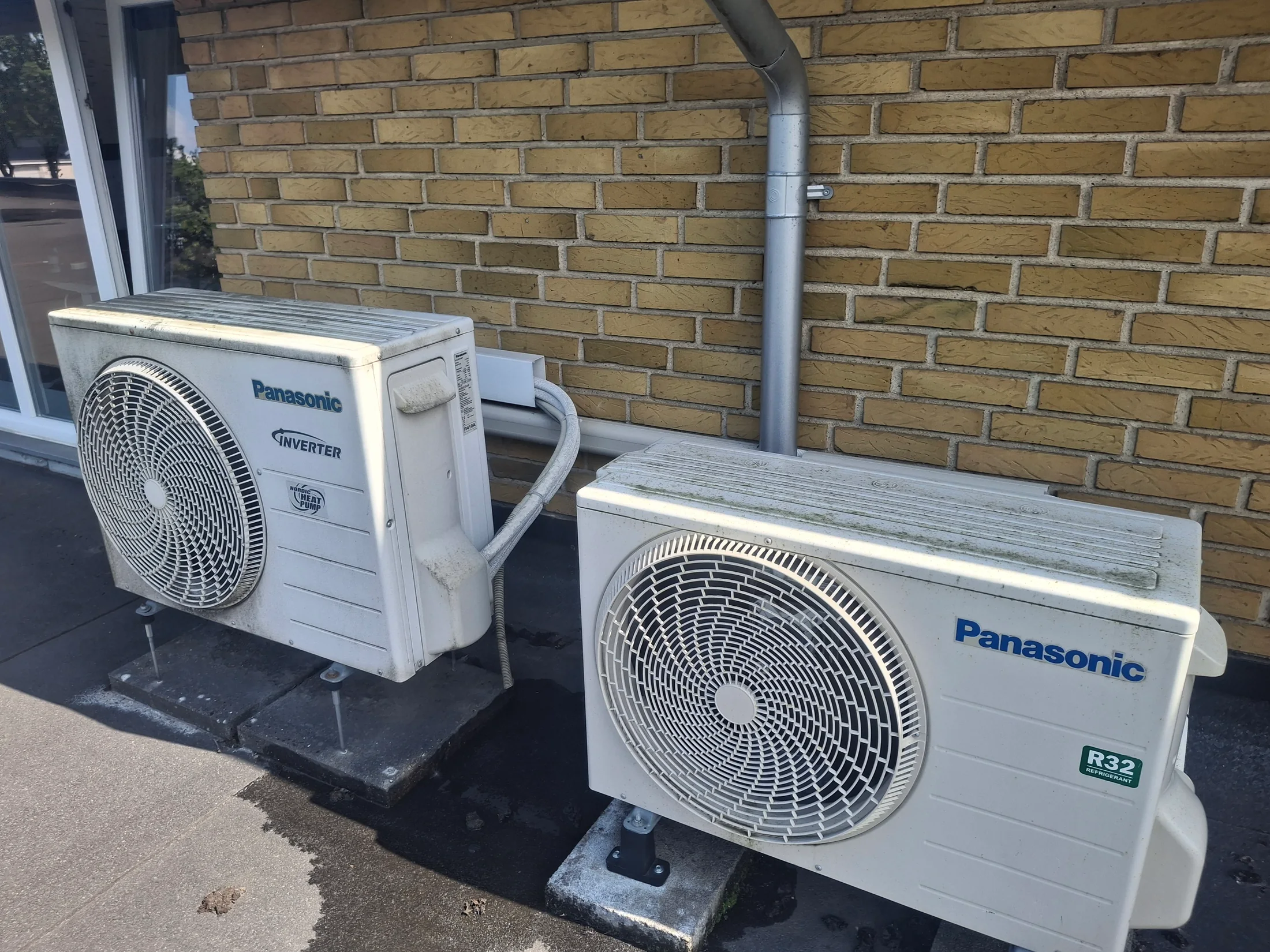
The 2027 date does not answer the status of an existing unit
Fluorinated greenhouse gases, commonly called F-gases, are used in equipment including refrigeration systems, air-conditioning systems and heat pumps. Hydrofluorocarbons (HFCs) are one group of F-gases. Their climate impact is commonly expressed as global warming potential (GWP).
The European Union (EU) F-gas Regulation entered into force in 2024 and uses several different controls. These include a phase-down of HFC supply, prohibitions on placing specified new products and equipment on the market, leak prevention, technician certification, recovery at end of life and restrictions on which gases may be used for servicing.
From 1 January 2027, Annex IV introduces further placing-on-the-market prohibitions for defined equipment categories. They include certain small chillers, self-contained air-conditioning systems and heat pumps, and split air-to-water systems. The threshold depends on the equipment category, rated capacity and refrigerant GWP. Some provisions contain exceptions where lower-GWP alternatives cannot meet safety requirements at the operating site.
This is a product and equipment timetable, not a single expiry date for all installed plant. The 2027 prohibitions do not, by themselves, create a blanket European Union requirement to remove every comparable unit that is already operating. Existing equipment can nevertheless be affected by separate operating and servicing requirements, practical refrigerant availability, condition and replacement planning. Danish restrictions must also be considered because they can go beyond the European Union minimum.
Existing equipment follows a different evidence trail
For operators of covered equipment, the European Commission summarises continuing duties that include avoiding emissions, using appropriately certified people, meeting applicable leak-check requirements, retaining installation and service records for at least five years, and ensuring recovery of gas when equipment is decommissioned.
Leak-check duties depend on the type and quantity of gas and on the equipment. For gases in Annex I, the general threshold begins at five tonnes of carbon-dioxide equivalent. Different thresholds apply to gases in Section 1 of Annex II and to qualifying hermetically sealed equipment. A unit therefore cannot be classified reliably from its age, physical size or model description alone.
Servicing is also a separate question. From 1 January 2026, the Regulation prohibits using Annex I gases with a GWP of 2,500 or more to maintain or service air-conditioning equipment and heat pumps. Reclaimed or qualifying recycled gas may continue to be used for existing equipment under the stated conditions until 1 January 2032. This does not necessarily prohibit continued operation of the equipment, but it can affect the available maintenance route.
Denmark's Executive Order no. 1511 of 1 December 2025 took effect on 1 January 2026. It regulates specified HFCs, perfluorocarbons and sulphur hexafluoride through national prohibitions and listed exceptions. The precise Danish position therefore cannot be established from the European Union equipment timetable alone.
Denmark will also change the administration of authorisations and training certificates. According to the Danish Environmental Protection Agency's announcement of 24 August 2026, the new F-gas Authorisation, Education and Evaluation body, abbreviated FAUE in Danish, will operate from 1 January 2027. The existing KMO system remains the route until then. This administrative change does not replace the need to verify the technician or company's relevant credentials for the work performed.
A useful property review starts with six data points
Property records often identify a unit as a chiller, heat pump or air-conditioning system but omit the data that determine which rule applies. A proportionate review should connect six data points for each relevant system.
Missing data should not automatically be reported as non-compliance. It should be reported as an evidence gap with a defined next step. The first step may be a label survey or retrieval of the service log, not immediate replacement.
- Identity and function: manufacturer, model, serial number, location, equipment category and the building function it supports.
- Refrigerant: gas designation, charge in kilograms and stated GWP, supported by a photograph of the equipment label and reconciled service records.
- Configuration and capacity: whether the system is self-contained or split, and its rated capacity. These distinctions matter in Annex IV.
- Operating record: installation or commissioning date, reported leaks, repairs, gas additions, leak-detection equipment and the latest required check.
- Service route: service provider, relevant certification, refrigerant used in maintenance and any dependency on reclaimed or recycled high-GWP gas.
- Replacement and closure: planned replacement date, alternatives assessed, tenant or process dependencies, and the recovery and disposal route at decommissioning.
What this means for property decisions
For an acquisition, request the equipment schedule, refrigerant register, service agreements, leak-check records, repair history and planned capital expenditure. Test a sample against physical labels. A complete spreadsheet that cannot be reconciled to the installed plant is not a reliable asset record.
For capital planning, separate regulatory status from commercial resilience. A unit may remain capable of lawful operation while facing a restricted service route, poor efficiency, repeated leakage or a replacement specification that can no longer be purchased after the relevant date. Those are different reasons for action and should be costed separately.
For leased property, establish who controls operation, appoints the service contractor, keeps the records and funds replacement. The lease and the actual operating arrangements are both relevant, but they do not by themselves settle legal responsibility. Legal advisers should confirm that responsibility for the specific installation.
For transaction reporting, avoid broad statements such as "all F-gas equipment must be replaced in 2027". A defensible conclusion identifies the affected unit, the refrigerant and charge, the applicable rule, the available evidence, the consequence for the business plan and the next action.
The F-gas timetable should prompt a better equipment record, not an automatic portfolio-wide replacement assumption. Where the evidence is complete, the property team can distinguish current compliance, serviceability and future capital expenditure. Where it is incomplete, the gap can be closed before it becomes a pricing or programme surprise.
ACED Miljø can incorporate identified evidence gaps into environmental due diligence and transaction risk assessment. Refrigeration specialists, the relevant authority and legal advisers should confirm system design, service options, authorisation and legal responsibility for the specific installation.
Official sources