Insights
Environmental questions, explained for property decisions.
Practical guidance on Danish environmental rules, investigations and property risk. Written for owners, investors, asset managers and project teams who need to know what a requirement means in practice.
Featured insight

Contaminated-land records across Øresund: why Danish V1/V2 and Swedish MIFO classes are not equivalent
Denmark and Sweden both record potentially contaminated land, but their labels answer different questions. Treating them as one shared scale can reverse the priorities in a property portfolio.
Read articleLatest insights
10 articles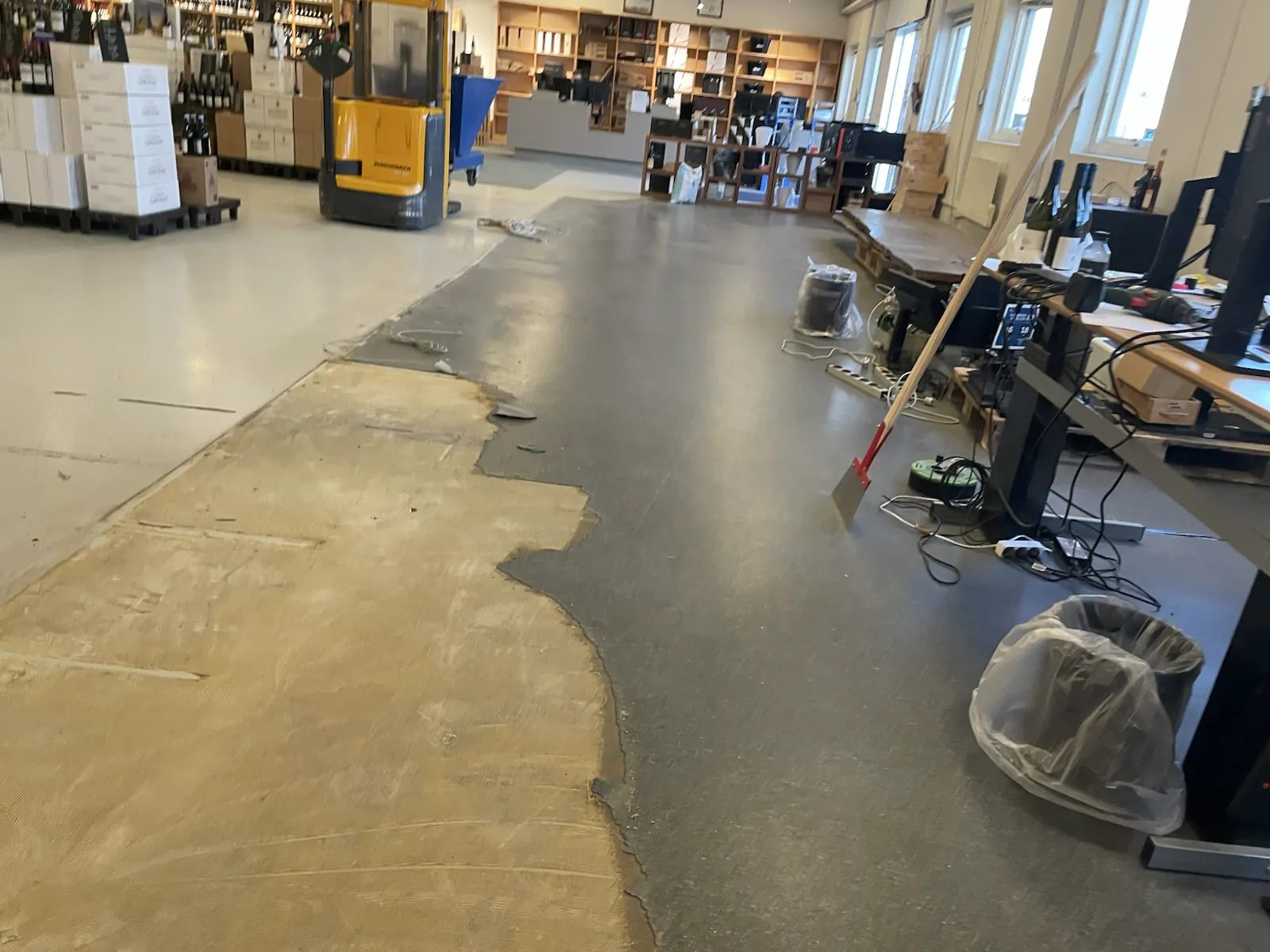 02
PCB in Danish and Swedish buildings: what property teams should verify
The same PCB finding can lead to different duties in Denmark and Sweden. A decision-ready review must connect the material, building use, planned work and country-specific evidence.
Read article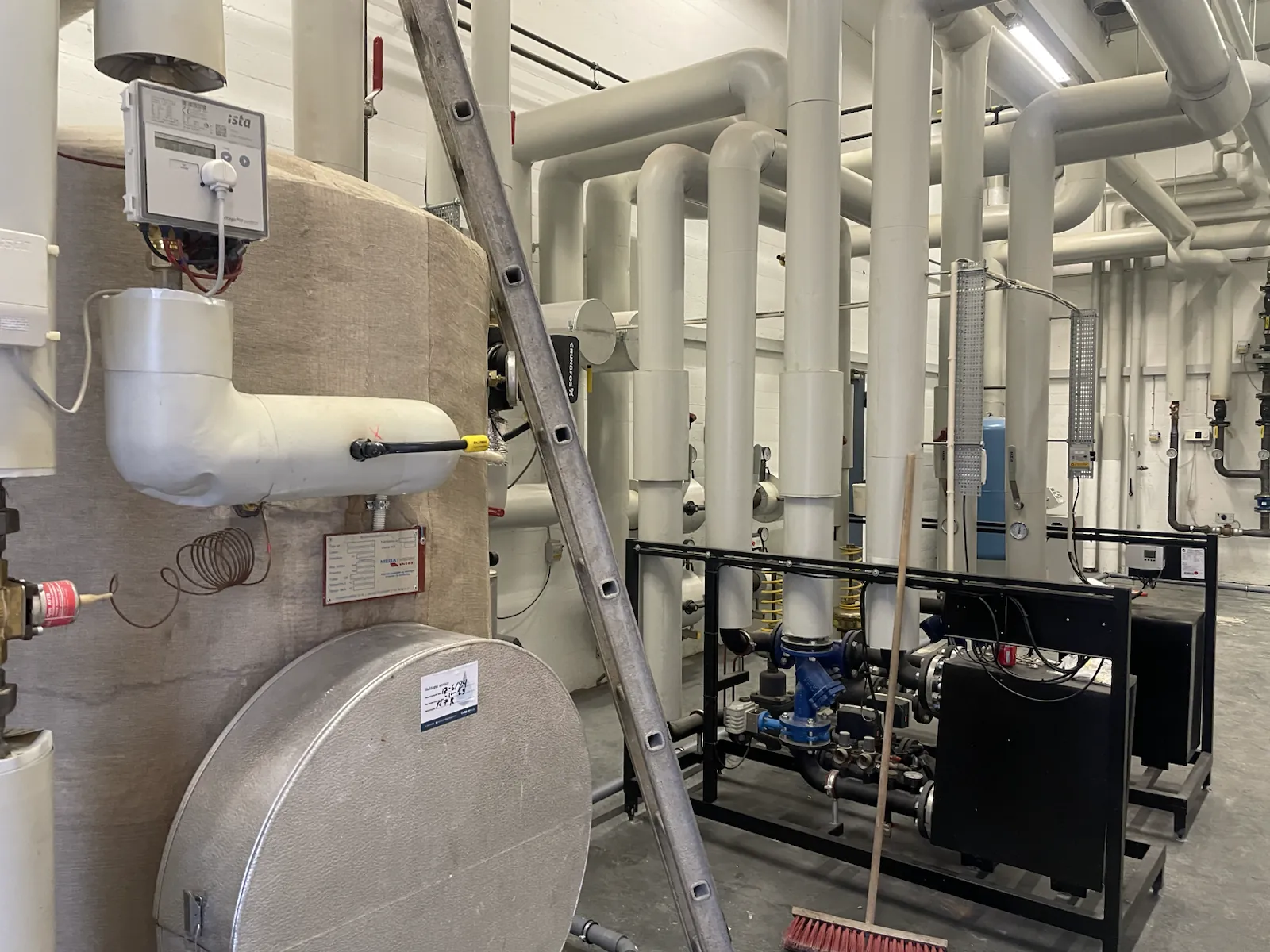 03
Harboøre Tange after the closure announcement: keeping contamination controls working
The contamination at Harboøre Tange shows why pumps, treatment, monitoring and records must be treated as operating assets when an industrial site closes or changes hands.
Read article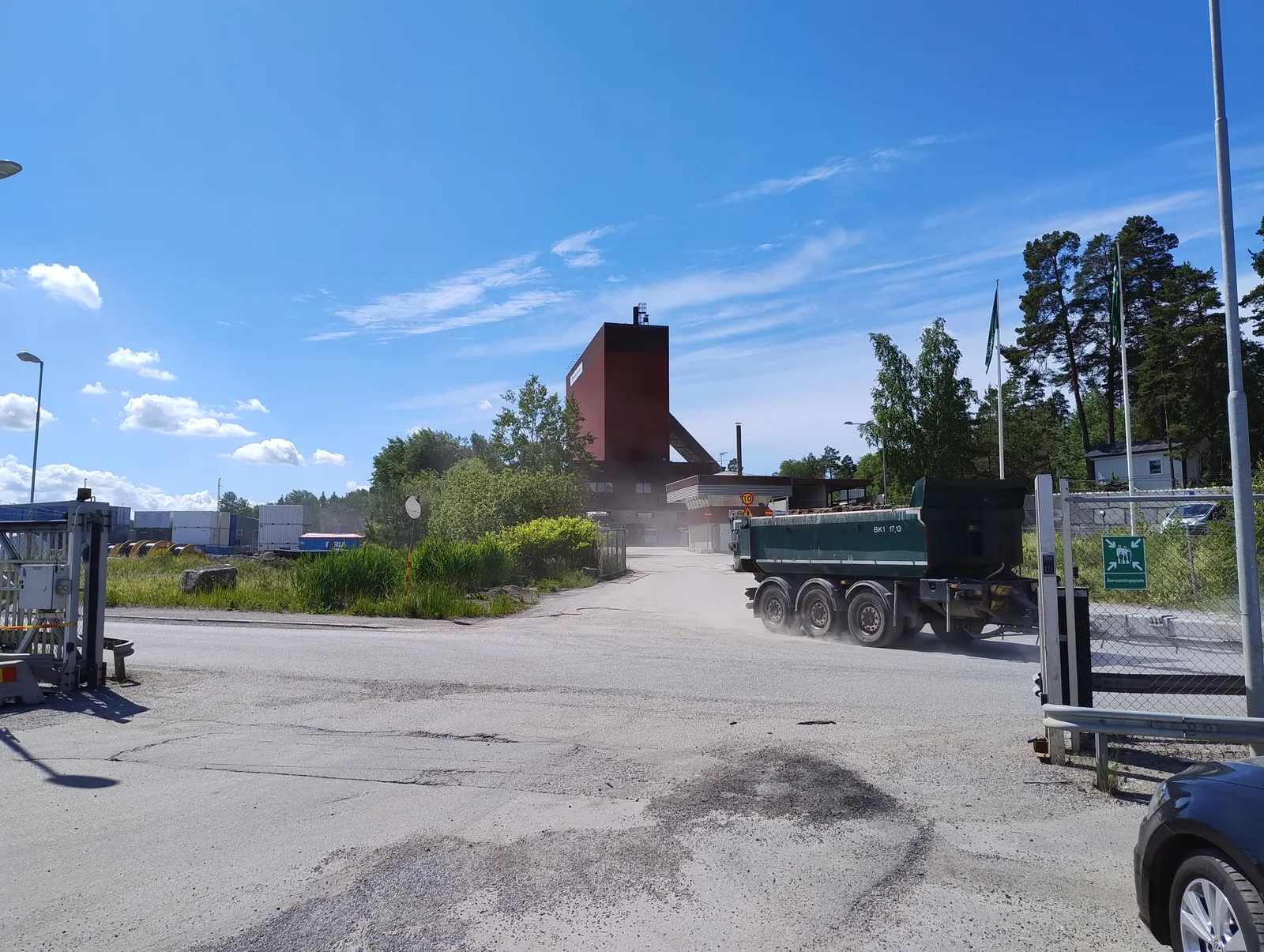 04
A new EU contaminated-sites register: what Danish property teams should prepare for
The EU Soil Monitoring Law will make contaminated-site identification and public records more systematic. The immediate priority is understanding and preserving the evidence behind a property's status.
Read article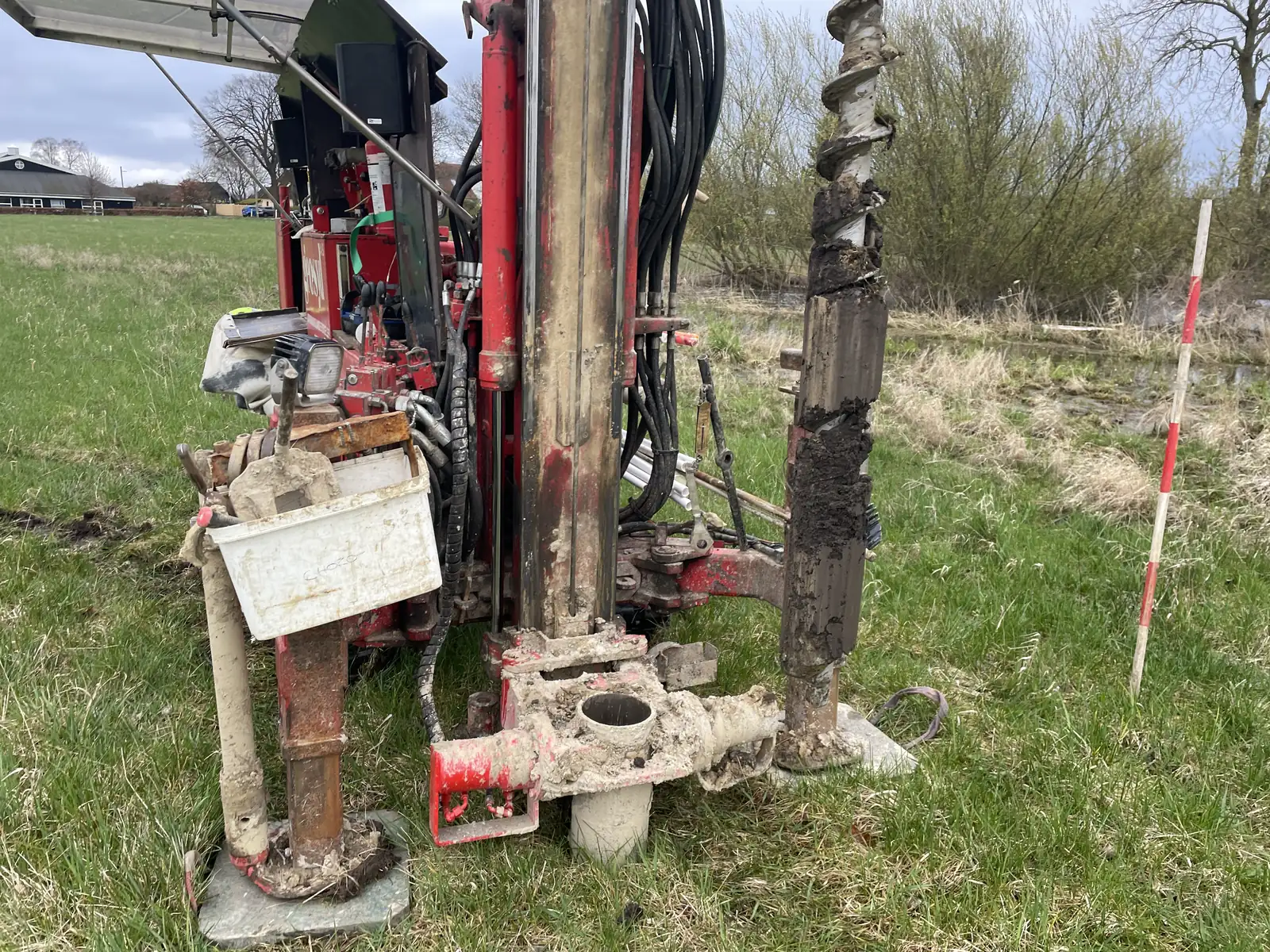 05
PFAS in Danish property transactions: when should a buyer investigate?
A clean register search does not rule out per- and polyfluoroalkyl substances (PFAS). Historical activities, pathways and the intended property use determine whether further review or sampling is proportionate.
Read article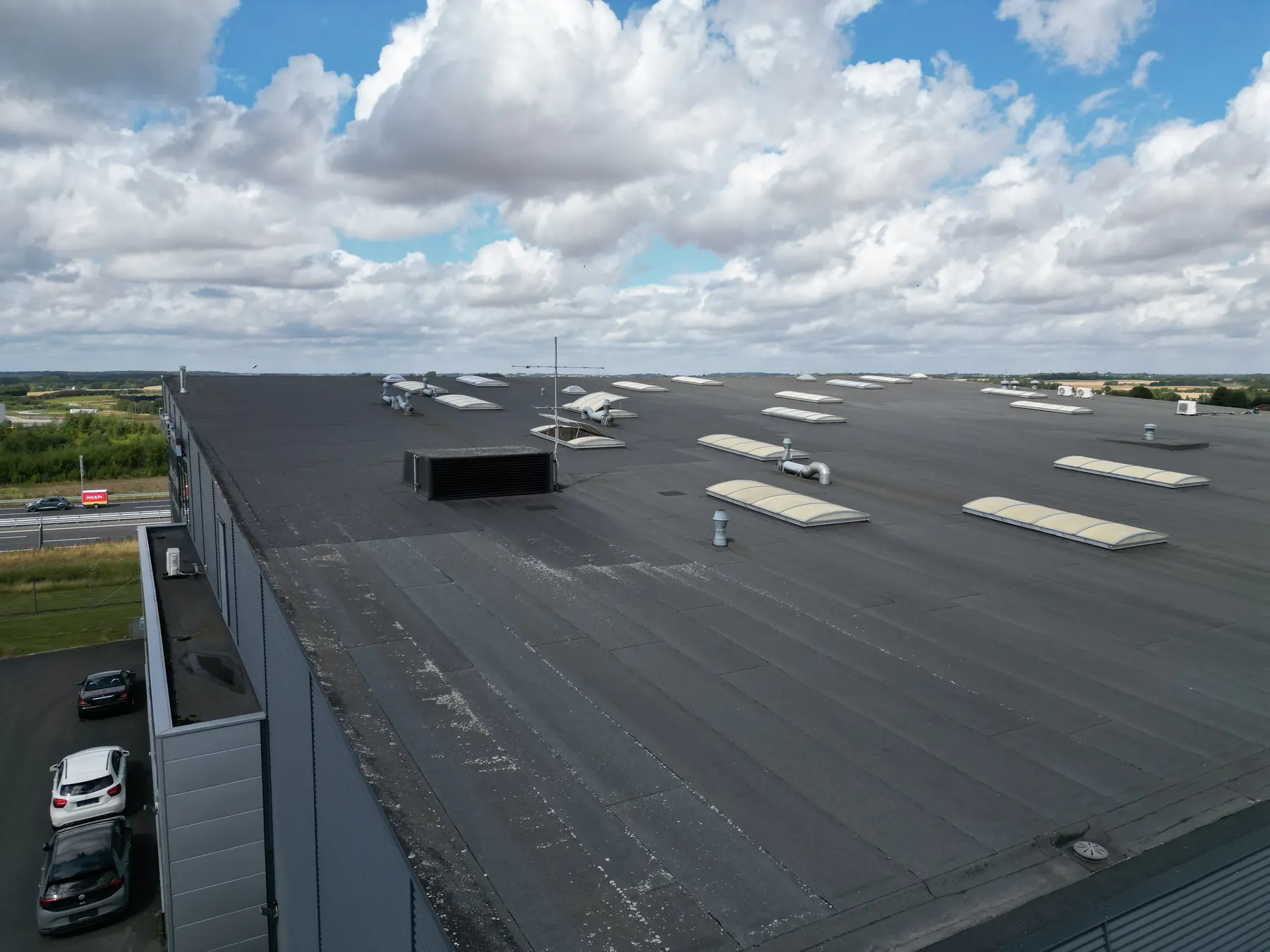 06
Environmental due diligence in Danish property transactions: seven checks that can change the risk picture
A clean register extract is useful, but it is not a conclusion. Seven practical checks help transaction teams distinguish a manageable issue from an unresolved liability.
Read article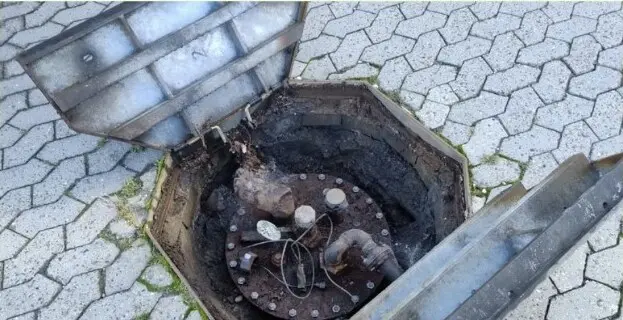 07
Underground tanks: why the building register is only the starting point
A tank may be registered, missing, inaccurately located or documented as closed without enough evidence to understand its present condition.
Read article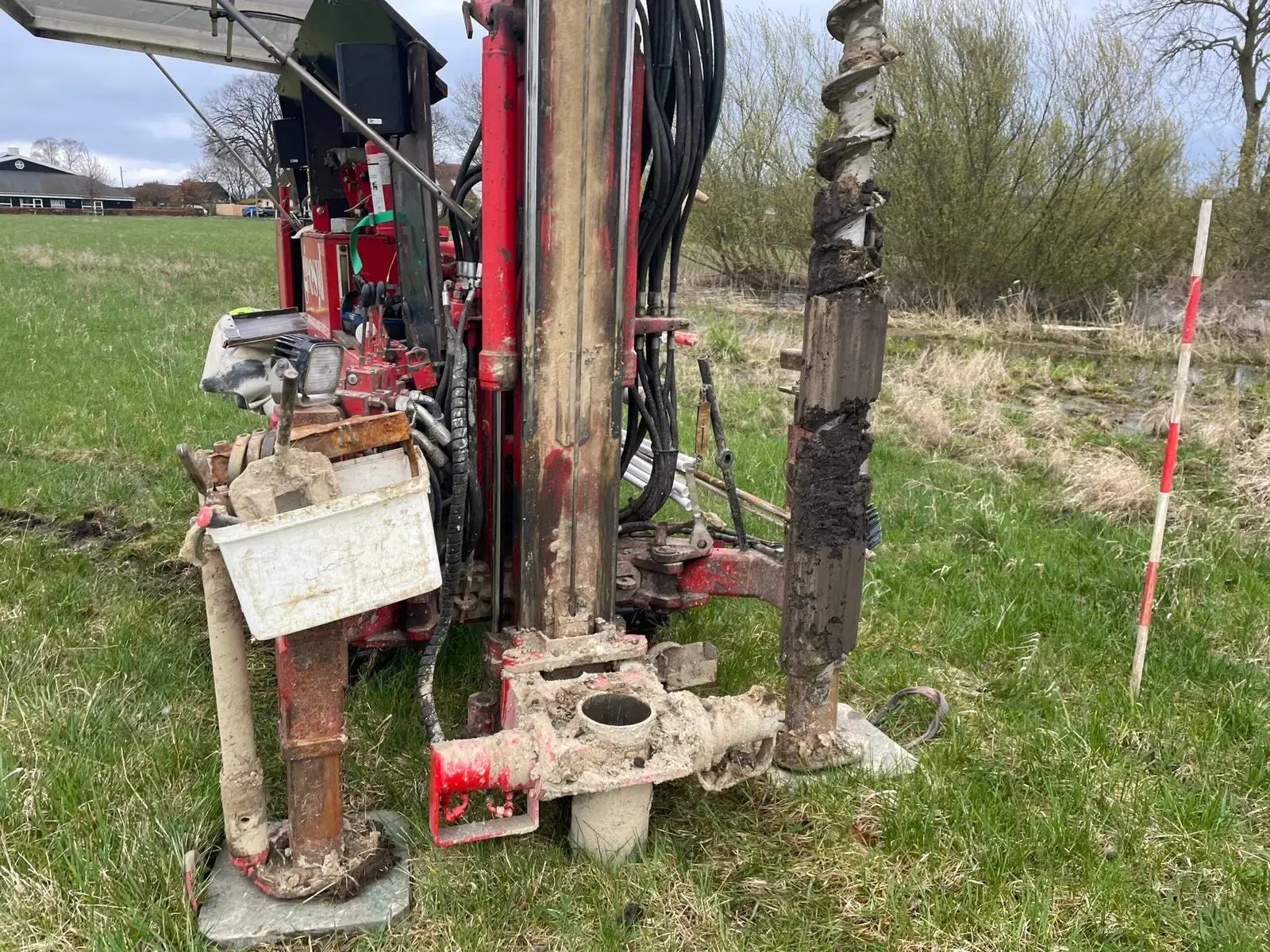 08
Section 8 permits on contaminated land: plan the environmental track before the design is fixed
A Section 8 process is easier to control when contamination, future use, earthworks and authority requirements are considered while the project can still adapt.
Read article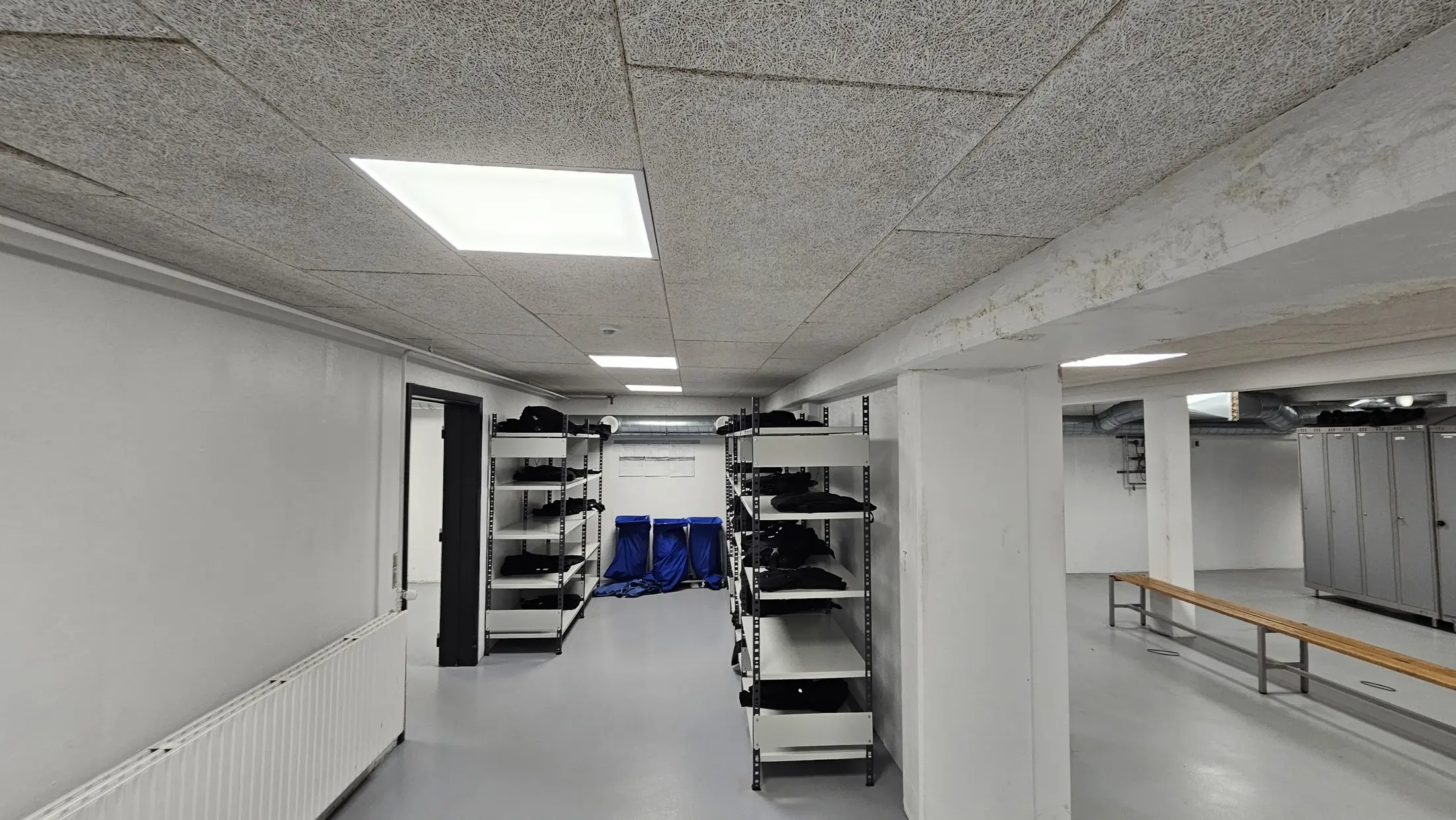 09
Radon in offices, homes and occupied buildings: measure the way the building is actually used
Detector numbers matter less than a measurement plan that reflects occupancy, floor level, ventilation and the decisions the results must support.
Read article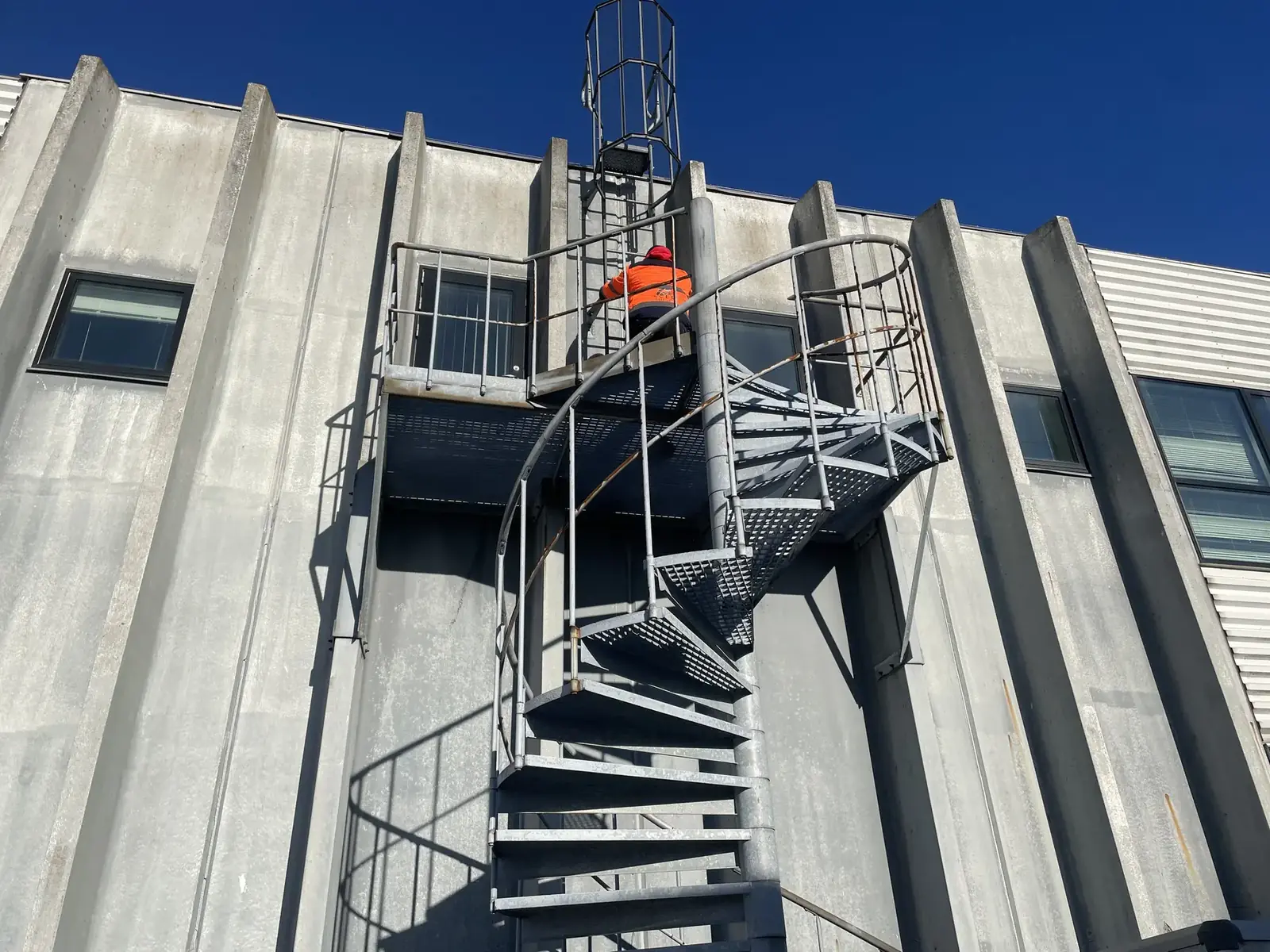 010
Asbestos before refurbishment or demolition: survey first and price the work properly
The useful time to find asbestos is while scope, sequence and procurement can still change, not after work has started.
Read articleTalk to us